
A gránit egyfajta magmás kőzet, amelyet rendkívüli szilárdsága, sűrűsége, tartóssága és korrózióállósága miatt bányásznak. De a gránit nagyon sokoldalú is – nem csak négyzetekhez és téglalapokhoz alkalmas! Valójában magabiztosan dolgozunk rendszeresen mindenféle formájú, szögű és ívű gránit elemekkel – kiváló eredményekkel.
Korszerű megmunkálási eljárásainknak köszönhetően a vágott felületek kivételesen síkak lehetnek. Ezek a tulajdonságok teszik a gránitot ideális anyaggá egyedi méretű és egyedi tervezésű gépalapok és méréstechnikai alkatrészek létrehozásához. A gránit:
■ megmunkálható
■ precízen síkba vágva és befejezve
■ rozsdaálló
■ tartós
■ tartós
A gránit alkatrészek könnyen tisztíthatók is. Egyedi tervek készítésekor mindenképpen a gránitot válassza kiváló előnyei miatt.
SZABVÁNYOK / NAGY KOPÁSI ÁLTALÁNOS ALKALMAZÁSOK
A ZHHIMG által a standard felületi lemeztermékeinkhez használt gránit magas kvarctartalmú, ami nagyobb ellenállást biztosít a kopással és a sérülésekkel szemben. Superior Black színeink alacsony vízfelvételi aránnyal rendelkeznek, minimalizálva a precíziós mérőeszközök rozsdásodásának lehetőségét a lemezekre helyezés során. A ZHHIMG által kínált gránitszínek kevésbé tükröződnek, ami kevesebb szemet fáraszt a lemezeket használók számára. Gránittípusaink kiválasztásakor figyelembe vettük a hőtágulást, hogy ezt a szempontot minimálisra csökkentsük.
EGYEDI ALKALMAZÁSOK
Amikor az alkalmazás egyedi formájú, menetes betétekkel, hornyokkal vagy egyéb megmunkálással ellátott lemezt igényel, akkor olyan anyagot kell választania, mint a Black Jinan Black. Ez a természetes anyag kiváló merevséget, kiváló rezgéscsillapítást és jobb megmunkálhatóságot kínál.
Fontos megjegyezni, hogy a szín önmagában nem jelzi a kő fizikai tulajdonságait. Általánosságban elmondható, hogy a gránit színe közvetlenül összefügg az ásványi anyagok jelenlétével vagy hiányával, amelyeknek nincs befolyásuk a jó felületi lapanyag tulajdonságaira. Vannak rózsaszín, szürke és fekete gránitok, amelyek kiválóan alkalmasak felületi lapokhoz, valamint fekete, szürke és rózsaszín gránitok, amelyek teljesen alkalmatlanok precíziós alkalmazásokhoz. A gránit kritikus jellemzői, amelyek a felületi lapanyagként való felhasználására vonatkoznak, semmi közük a színhez, és a következők:
■ Merevség (terhelés alatti alakváltozás - a rugalmassági modulus jelzi)
■ Keménység
■ Sűrűség
■ Kopásállóság
■ Stabilitás
■ Porozitás
Számos gránitanyagot teszteltünk és összehasonlítottunk. Végül arra az eredményre jutottunk, hogy a Jinan fekete gránit a legjobb anyag, amit valaha ismertünk. Az indiai fekete gránit és a dél-afrikai gránit hasonló a Jinan fekete gránithoz, de fizikai tulajdonságaik gyengébbek. A ZHHIMG továbbra is további gránitanyagokat fog keresni a világon, és összehasonlítja fizikai tulajdonságaikat.
Ha többet szeretne megtudni a projektjéhez megfelelő gránitról, kérjük, vegye fel velünk a kapcsolatot.info@zhhimg.com.
A különböző gyártók különböző szabványokat használnak. Sok szabvány létezik a világon.
DIN szabvány, ASME B89.3.7-2013 vagy szövetségi specifikáció GGG-P-463c (gránit felületlemezek) és így tovább a specifikációik alapjául.
És az Ön igényei szerint is tudunk gyártani gránit precíziós ellenőrző lapot. Ha további információkat szeretne megtudni a szabványokról, kérjük, vegye fel velünk a kapcsolatot.
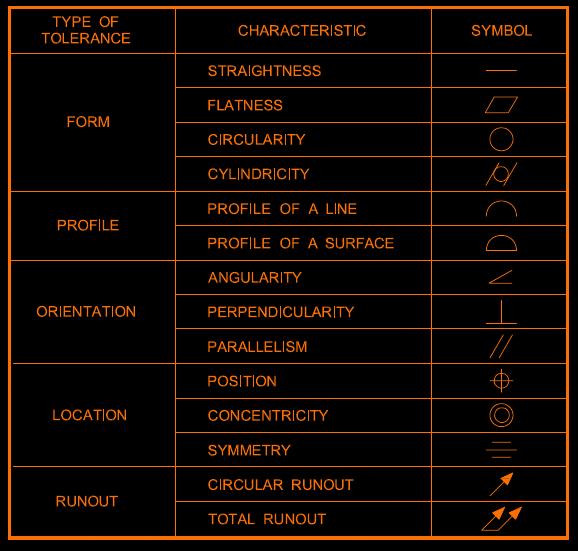
A síklapúság úgy tekinthető, mint a felület összes pontjának két párhuzamos síkon, az alapsíkon és a tetősíkon belüli elhelyezkedése. A síkok közötti távolság mérése a felület teljes síklapúságát adja. Ez a síklapúság mérés általában tűréshatárral rendelkezik, és tartalmazhat egy fokozatmegjelölést is.
Például a szövetségi specifikációban három szabványminőség síkfelületi tűréseit a következő képlet határozza meg:
■ Laboratóriumi minőségű AA = (40 + átló négyzete/25) x 0,000001" (egyoldalú)
■ A ellenőrzési osztály = Laboratóriumi AA osztály x 2
■ Szerszámszoba B osztály = Laboratóriumi AA osztály x 4.
Szabványméretű felületi lemezek esetén garantáljuk a síklapúsági tűrést, amely meghaladja a jelen specifikáció követelményeit. A síklapúságon kívül az ASME B89.3.7-2013 és a GGG-P-463c szövetségi specifikáció olyan témákat is tárgyal, mint: az ismételt mérések pontossága, a gránit felületi lemezek anyagtulajdonságai, felületkezelés, támasztópontok elhelyezkedése, merevség, elfogadható ellenőrzési módszerek, menetes betétek beszerelése stb.
A ZHHIMG gránit felületlapok és gránit ellenőrző lapok megfelelnek, vagy meghaladják a jelen specifikációban meghatározott összes követelményt. Jelenleg nincs meghatározó specifikáció a gránit szögletes lapokra, párhuzamos lécekre vagy mesterszögletesekre vonatkozóan.
És más szabványok képleteit is megtalálhatja aLETÖLTÉS.
Először is, fontos a lemez tisztán tartása. A levegőben szálló csiszolópor általában a lemez kopásának és elhasználódásának legnagyobb forrása, mivel hajlamos beágyazódni a munkadarabokba és a mérőeszközök érintkező felületeibe. Másodszor, takarja le a lemezt, hogy megvédje a portól és a sérülésektől. A kopásállóság meghosszabbítható, ha használaton kívül letakarja a lemezt, ha rendszeresen elforgatja, hogy egyetlen terület ne legyen túlzottan igénybe véve, és ha a mérőeszközök acél érintkezőfelületeit keményfém betétekre cseréli. Kerülje továbbá az étel vagy üdítőital elhelyezését a lemezen. Vegye figyelembe, hogy sok üdítőital szénsavat vagy foszforsavat tartalmaz, amelyek feloldhatják a lágyabb ásványi anyagokat, és apró gödröket hagyhatnak a felületen.
Ez attól függ, hogyan használják a tányért. Ha lehetséges, azt javasoljuk, hogy a tányért a nap (vagy a műszak) elején, majd a végén tisztítsa meg. Ha a tányér szennyeződik, különösen olajos vagy ragadós folyadékok esetén, valószínűleg azonnal meg kell tisztítani.
Rendszeresen tisztítsa a lemezt folyékony vagy ZHHIMG vízmentes felülettisztítóval. A tisztítóoldatok megválasztása fontos. Illékony oldószer (aceton, lakkhígító, alkohol stb.) használata esetén a párolgás lehűti a felületet és deformálja azt. Ebben az esetben használat előtt hagyni kell a lemezt normalizálódni, különben mérési hibák léphetnek fel.
A tányér normalizálódásához szükséges idő a tányér méretétől és a hűtés mértékétől függ. Kisebb tányérokhoz egy óra elegendő. Nagyobb tányérokhoz két óra is szükséges lehet. Ha vízbázisú tisztítószert használ, akkor némi párolgási hűtés is előfordulhat.
A lemez megtartja a vizet, ami a felülettel érintkező fém alkatrészek rozsdásodását okozhatja. Egyes tisztítószerek száradás után ragadós maradványt hagynak maguk után, ami vonzza a levegőben szálló port, és valójában növeli a kopást, ahelyett, hogy csökkentené.
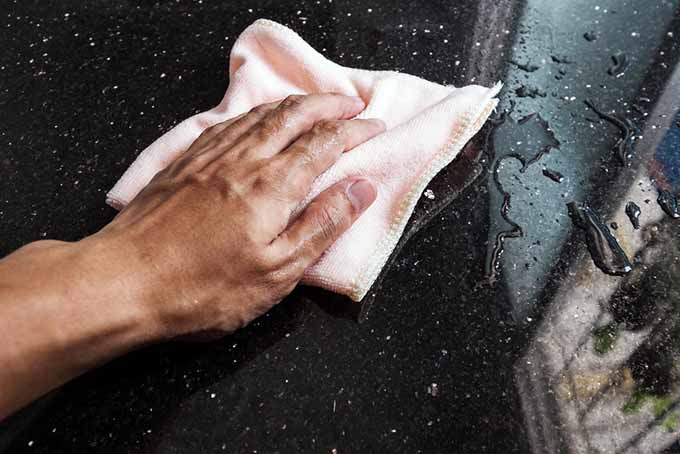
Ez a lemez használatától és a környezettől függ. Javasoljuk, hogy az új lemezt vagy precíziós gránit tartozékot a vásárlástól számított egy éven belül teljes újrakalibrálják. Ha a gránit felületű lemezt nagy igénybevételnek teszik ki, célszerű lehet ezt az intervallumot hat hónapra lerövidíteni. Az ismételt mérési hibák havi ellenőrzése elektronikus vízmértékkel vagy hasonló eszközzel kimutatja a kopási foltokat, és csak néhány percet vesz igénybe. Az első újrakalibrálás eredményeinek meghatározása után a kalibrációs intervallum meghosszabbítható vagy lerövidíthető a belső minőségbiztosítási rendszer által megengedett vagy előírt módon.
Szolgáltatást kínálunk a gránit felületlap ellenőrzéséhez és kalibrálásához.

A kalibrációk közötti eltéréseknek számos oka lehet:
- A felületet kalibrálás előtt forró vagy hideg oldattal mosták le, és nem hagytak elegendő időt a normalizálódásra.
- A lemez nincs megfelelően alátámasztva
- Hőmérséklet-változás
- Dámajáték
- Közvetlen napfény vagy más sugárzó hő a lemez felületén. Győződjön meg arról, hogy a mennyezeti világítás nem melegíti fel a felületet.
- A vertikális hőmérsékleti gradiens változásai tél és nyár között (Ha egyáltalán lehetséges, ismerje a vertikális gradiens hőmérsékletét a kalibrálás elvégzésekor.)
- A lemeznek nem volt elegendő ideje a szállítás utáni normalizálódásra
- Az ellenőrző berendezések nem megfelelő használata vagy nem kalibrált berendezések használata
- Kopás okozta felületváltozás
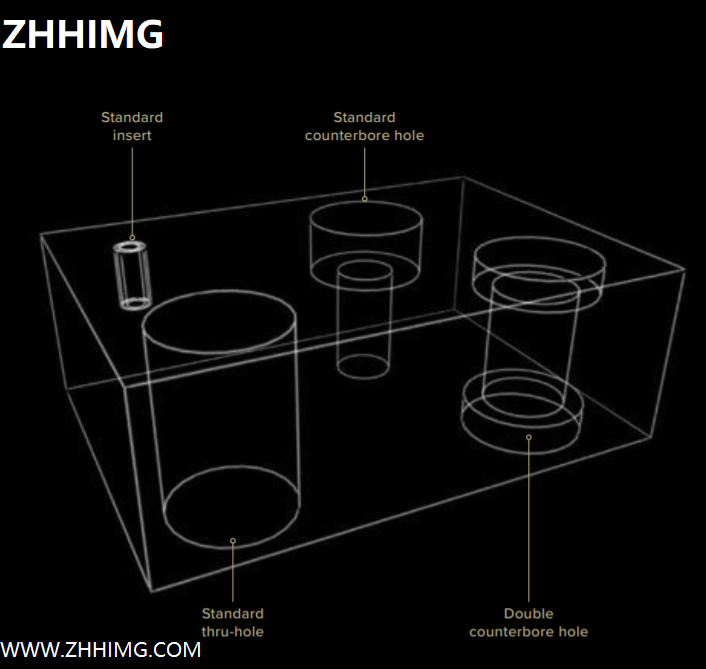
Hányféle lyuk van a precíziós grániton?
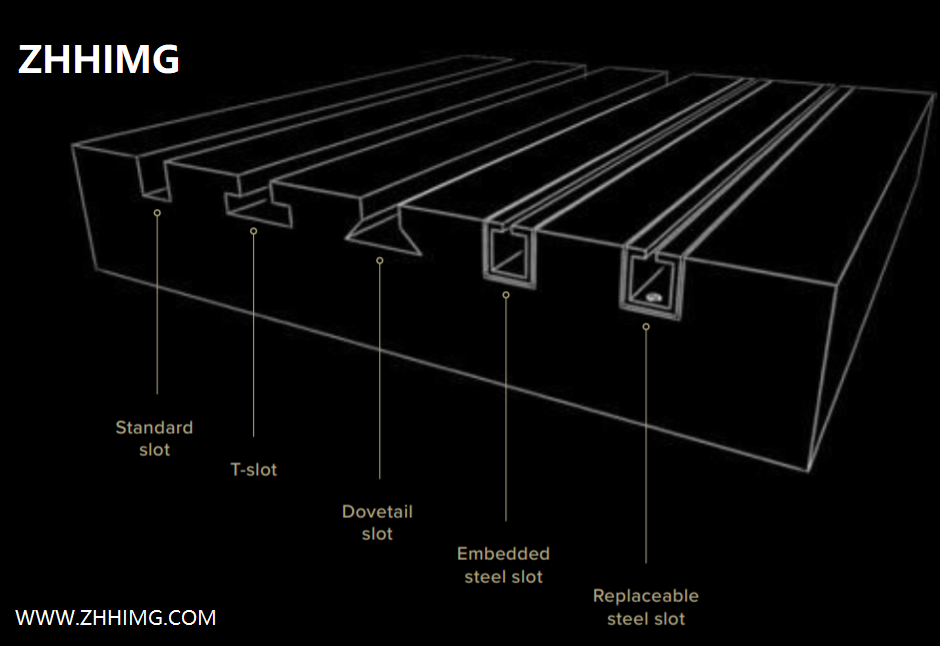
Rések a precíziós gránit alkatrészeken
Számos gyár, ellenőrző helyiség és laboratórium a precíziós gránit felületi lapokat használja a pontos mérés alapjául. Mivel minden lineáris mérés egy pontos referenciafelülettől függ, amelyből a végső méreteket veszik, a felületi lapok a legjobb referenciasíkot biztosítják a munkadarab ellenőrzéséhez és az elrendezéshez a megmunkálás előtt. Ideális alapot jelentenek magasságméréshez és mérőfelületek méréséhez is. Továbbá a nagyfokú síkfelület, stabilitás, általános minőség és kivitelezés jó választássá teszi őket kifinomult mechanikus, elektronikus és optikai mérőrendszerek felszereléséhez. Ezen mérési folyamatok bármelyikéhez elengedhetetlen a felületi lapok kalibrálása.
Ismételt mérések és síkfelület-vizsgálat
Mind a síklapúság, mind az ismételt mérések kritikusak a precíziós felület biztosításához. A síklapúság úgy tekinthető, mint a felület összes pontja, amely két párhuzamos síkban, az alapsíkban és a tetősíkban található. A síkok közötti távolság mérése a felület teljes síklapúságát adja. Ez a síklapúság mérés általában tűréshatárral rendelkezik, és tartalmazhat egy fokozatmegjelölést is.
A három szabványos minőség síkfelületi tűréseit a szövetségi specifikáció határozza meg a következő képlettel:
DIN szabvány, GB szabvány, ASME szabvány, JJS szabvány... különböző országok, különböző szabványokkal...
További részletek a szabványról.
A síkfelületűség mellett biztosítani kell az ismételhetőséget is. Az ismételt mérés a lokális síkfelületű területek mérése. Ez egy olyan mérés, amelyet a lemez felületén bárhol végeznek, és amely a megadott tűréshatáron belül megismétlődik. A lokális terület síkfelületének az általános síkfelületnél szigorúbb tűréshatárra történő szabályozása garantálja a felületi síkfelület profiljának fokozatos változását, ezáltal minimalizálva a lokális hibákat.
Annak érdekében, hogy a felületi lemez megfeleljen mind a síkfelületi, mind az ismételt mérési előírásoknak, a gránit felületi lapok gyártóinak a GGG-P-463c szövetségi specifikációt kell használniuk a specifikációik alapjául. Ez a szabvány az ismételt mérési pontossággal, a gránit felületi lemez anyagtulajdonságaival, a felületkezeléssel, a támaszpontok elhelyezkedésével, a merevséggel, az elfogadható ellenőrzési módszerekkel és a menetes betétek beszerelésével foglalkozik.
A lemez pontosságának ellenőrzése
Néhány egyszerű irányelv betartásával egy gránit felületlemezbe fektetett befektetés évekig kitart. A lemez használatától, a műhelykörnyezettől és a szükséges pontosságtól függően a felületlemez pontosságának ellenőrzésének gyakorisága változó. Általános szabály, hogy az új lemezt a vásárlástól számított egy éven belül teljes újrakalibráláson kell átesnie. Ha a lemezt gyakran használják, célszerű ezt az intervallumot hat hónapra lerövidíteni.
Mielőtt egy felületi lemez az általános síkfelületre vonatkozó specifikáción túl kopna, kopott vagy hullámos oszlopok jelennek meg rajta. Az ismételt mérési hibák havi ellenőrzése ismételt leolvasású mérőeszközzel azonosítja a kopási foltokat. Az ismételt leolvasású mérőeszköz egy nagy pontosságú műszer, amely lokális hibákat észlel, és nagy nagyítású elektronikus erősítőn megjeleníthető.
Egy hatékony ellenőrzési programnak tartalmaznia kell rendszeres ellenőrzéseket autokollimátorral, biztosítva az általános síkfelület tényleges kalibrálását, amely a Nemzeti Szabványügyi és Technológiai Intézet (NIST) előírásai szerint visszavezethető. Időről időre átfogó kalibrálásra van szükség a gyártó vagy egy független cég által.
Kalibrációk közötti eltérések
Bizonyos esetekben eltérések vannak a felületi lemezek kalibrációi között. Néha olyan tényezők, mint a kopásból eredő felületváltozás, az ellenőrző berendezések helytelen használata vagy a nem kalibrált berendezések használata okozhatják ezeket az eltéréseket. A két leggyakoribb tényező azonban a hőmérséklet és az alátámasztás.
Az egyik legfontosabb változó a hőmérséklet. Előfordulhat például, hogy a felületet a kalibrálás előtt forró vagy hideg oldattal mosták le, és nem hagytak elegendő időt a normalizálódásra. A hőmérsékletváltozás egyéb okai közé tartozik a hideg vagy forró levegő huzata, a közvetlen napfény, a mennyezeti világítás vagy a lemez felületén lévő egyéb sugárzó hőforrások.
A téli és nyári időszakok között eltérések lehetnek a függőleges hőmérsékleti gradiensben is. Bizonyos esetekben a lemeznek nem hagynak elegendő időt a normalizálódásra a szállítás után. Érdemes a függőleges gradiens hőmérsékletét a kalibrálás elvégzésekor rögzíteni.
A kalibrációs eltérések másik gyakori oka a nem megfelelően alátámasztott lemez. A felületi lemezt három ponton kell alátámasztani, ideális esetben a lemez végeitől a hossz 20%-ának megfelelő távolságra. Két tartót a hosszú oldalaktól a szélesség 20%-ának megfelelő távolságra kell elhelyezni, a fennmaradó tartót pedig középre kell igazítani.
Csak három pont támaszkodhat szilárdan bármi máson, mint egy precíziós felületen. Ha a lemezt háromnál több ponton próbálják megtámasztani, akkor a lemez három pont különböző kombinációiból kapja a támasztását, amelyek nem ugyanazok a három pontok lesznek, amelyeken a gyártás során támasztották. Ez hibákat okoz, mivel a lemez elhajlik, hogy megfeleljen az új alátámasztási elrendezésnek. Érdemes acélállványokat használni, amelyek tartógerendáit úgy tervezték, hogy a megfelelő alátámasztási pontokkal illeszkedjenek. Az erre a célra szolgáló állványok általában a felületlemez gyártójától szerezhetők be.
Ha a lemez megfelelően van alátámasztva, a pontos szintezés csak akkor szükséges, ha az alkalmazás előírja. A szintezés nem szükséges a megfelelően alátámasztott lemez pontosságának fenntartásához.
Növelje a lemez élettartamát
Néhány irányelv betartása csökkenti a gránit felületlap kopását, és végső soron meghosszabbítja annak élettartamát.
Először is fontos a lemez tisztán tartása. A levegőben szálló csiszolópor általában a lemez kopásának és elhasználódásának legnagyobb forrása, mivel hajlamos beágyazódni a munkadarabokba és a mérőeszközök érintkező felületeibe.
Fontos a lemezeket letakarni a por és a sérülések elleni védelem érdekében. A kopásállóság meghosszabbítható, ha használaton kívül letakarjuk őket.
Időnként forgassa el a lemezt, hogy egyetlen terület ne legyen túlzottan igénybe véve. Ezenkívül ajánlott a mérőeszközök acél érintkezőlapjait keményfém betétekre cserélni.
Kerüld az étel vagy üdítőital tányérra helyezését. Sok üdítőital szénsavat vagy foszforsavat tartalmaz, amelyek feloldhatják a lágyabb ásványi anyagokat, és apró gödröcskéket hagyhatnak a felszínen.
Hol lehet visszaesni?
Amikor egy gránit felületi lemez felújításra szorul, fontolja meg, hogy ezt a szolgáltatást a helyszínen vagy a kalibráló műhelyben végeztesse-e el. Mindig előnyösebb, ha a lemezt a gyárban vagy egy erre a célra kijelölt műhelyben újítják fel. Ha azonban a lemez nem túl súlyosan kopott, általában 0,001 hüvelyken belül van az előírt tűréshatáron, akkor a helyszínen is felújítható. Ha egy lemez annyira elkopott, hogy 0,001 hüvelyknél nagyobb mértékben kívül esik a tűréshatáron, vagy ha erősen ki van ütődve vagy becsípődve, akkor a lapolás előtt a gyárba kell küldeni csiszolásra.
A kalibráló létesítmény rendelkezik a szükséges felszereléssel és gyári beállításokkal, amelyek optimális feltételeket biztosítanak a lemez megfelelő kalibrálásához és szükség esetén az utólagos megmunkáláshoz.
Nagy gonddal kell eljárni a helyszíni kalibráló és felületfelújító szakember kiválasztásánál. Kérjen akkreditációt, és ellenőrizze, hogy a szakember által használt berendezés kalibrálása nyomon követhető-e. A tapasztalat is fontos tényező, mivel sok évbe telik megtanulni, hogyan kell helyesen leppelni a gránitot.
A kritikus mérések egy precíziós gránit felületlappal kezdődnek, mint alapvonallal. A megfelelően kalibrált felületlap megbízható referenciájának biztosításával a gyártók a megbízható mérések és a jobb minőségű alkatrészek egyik alapvető eszközéhez jutnak.Q
Kalibrációs variációk ellenőrzőlistája
1. A felületet kalibrálás előtt forró vagy hideg oldattal mosták le, és nem hagytak elegendő időt a normalizálódásra.
2. A lemez nincs megfelelően alátámasztva.
3. Hőmérsékletváltozás.
4. Vázlatok.
5. Közvetlen napfény vagy más sugárzó hő a lemez felületén. Győződjön meg arról, hogy a mennyezeti világítás nem melegíti fel a felületet.
6. A vertikális hőmérsékleti gradiens változásai tél és nyár között. Ha egyáltalán lehetséges, ismerje a vertikális gradiens hőmérsékletét a kalibrálás elvégzésekor.
7. A szállítás után nem hagytak elegendő időt a lemez normalizálódására.
8. Az ellenőrző berendezések nem megfelelő használata vagy nem kalibrált berendezések használata.
9. Kopásból eredő felületváltozás.
Technikai tippek
- Mivel minden lineáris mérés egy pontos referenciafelülettől függ, amelyből a végső méreteket veszik, a felületi lemezek biztosítják a legjobb referenciasíkot a munkadarab ellenőrzéséhez és elrendezéséhez a megmunkálás előtt.
- A lokális terület síkfelületének az általános síkfelületnél szigorúbb tűréshatárral történő szabályozása garantálja a felület síkfelületi profiljának fokozatos változását, ezáltal minimalizálva a lokális hibákat.
- Egy hatékony ellenőrzési programnak tartalmaznia kell rendszeres ellenőrzéseket autokollimátorral, biztosítva az általános síkfelület tényleges kalibrálását, amely nyomon követhető a Nemzeti Ellenőrzési Hatóságig.
A gránitot alkotó ásványi részecskék több mint 90%-át földpát és kvarc teszi ki, amelyek közül a földpát a legnagyobb mennyiségben van jelen. A földpát gyakran fehér, szürke és húsvörös, a kvarc pedig többnyire színtelen vagy szürkésfehér, ezek alkotják a gránit alapszínét. A földpát és a kvarc kemény ásványok, és acélkéssel nehéz mozgatni őket. Ami a gránitban található sötét foltokat, főként fekete csillámot illeti, vannak más ásványok is. Bár a biotit viszonylag puha, a feszültségállósága nem gyenge, ugyanakkor a gránitban kis mennyiségben, gyakran kevesebb mint 10%-ban vannak jelen. Ez az az anyagi állapot, amelyben a gránit különösen erős.
A gránit szilárdságának egy másik oka az, hogy ásványi részecskéi szorosan kötődnek egymáshoz és egymásba ágyazódnak. A pórusok gyakran a kőzet teljes térfogatának kevesebb mint 1%-át teszik ki. Ezáltal a gránit ellenáll az erős nyomásnak, és a nedvesség nem könnyen hatol be rajta.
A gránit alkatrészek kőből készülnek, rozsda-, sav- és lúgállóságuk nem megfelelő, jó kopásállósággal és hosszú élettartammal rendelkeznek, és nem igényelnek különösebb karbantartást. A gránit precíziós alkatrészeket többnyire a gépipar szerszámaiban használják. Ezért gránit precíziós alkatrészeknek vagy gránit alkatrészeknek nevezik őket. A gránit precíziós alkatrészek jellemzői alapvetően megegyeznek a gránit platformok jellemzőivel. Bevezetés a gránit precíziós alkatrészek szerszámozásába és mérésébe: A precíziós megmunkálás és a mikromegmunkálási technológia a gépgyártó ipar fontos fejlesztési irányai, és fontos mutatóvá váltak a csúcstechnológiai szint mérésére. A legmodernebb technológia és a védelmi ipar fejlődése elválaszthatatlan a precíziós megmunkálástól és a mikromegmunkálási technológiától. A gránit alkatrészek simán csúsztathatók a mérés során, pangás nélkül. A munkafelület mérése, az általános karcolások nem befolyásolják a mérési pontosságot. A gránit alkatrészeket a keresleti oldal követelményeinek megfelelően kell megtervezni és gyártani.
Alkalmazási terület:
Mint mindannyian tudjuk, egyre több gép és berendezés választ precíziós gránit alkatrészeket.
A gránit alkatrészeket dinamikus mozgáshoz, lineáris motorokhoz, koordináta- és CNC-megmunkáló gépekhez, lézergépekhez használják...
További információért kérjük, vegye fel velünk a kapcsolatot.
A gránit mérőeszközök és gránit mechanikus alkatrészek kiváló minőségű Jinan fekete gránitból készülnek. Nagy pontosságuknak, hosszú élettartamuknak, jó stabilitásuknak és korrózióállóságuknak köszönhetően egyre inkább használják őket a modern ipar termékvizsgálatában és olyan tudományos területeken, mint a gépészet, a repülőgépipar és a tudományos kutatások.
Előnyök
----Kétszer olyan kemény, mint az öntöttvas;
---- A méretek minimális változásai a hőmérsékletváltozásoknak köszönhetők;
----Csavarásmentes, így a munka nem szakad meg;
----A finomszemcsés szerkezet és a jelentéktelen tapadás miatt sorjáktól és kiálló részektől mentes, ami hosszú élettartamon keresztül biztosítja a magas fokú síkfelületet, és nem károsítja a többi alkatrészt vagy műszert;
----Problémamentes működés mágneses anyagokkal való használat esetén;
---- Hosszú élettartam és rozsdamentes, ami alacsony karbantartási költségeket eredményez.
A precíziós gránit felületi lemezeket precíziósan leplelik a magas síkfelület érdekében a pontosság elérése érdekében, és kifinomult mechanikus, elektronikus és optikai mérőrendszerek alapjául szolgálnak.
A gránit felületlemez néhány egyedi tulajdonsága:
Egyenletes keménység;
Pontos terhelés alatt;
Rezgéselnyelő;
Könnyen tisztítható;
Csomagolásálló;
Alacsony porozitás;
Nem koptató hatású;
Nem mágneses
A gránit felületlemez előnyei
Először is, a kőzet hosszú természetes öregedési időszak után egyenletes szerkezetű, minimális együtthatóval rendelkezik, a belső feszültség teljesen eltűnik, nem deformálódik, így a pontosság magas.
Másodszor, nem lesznek karcolások, nem állandó hőmérsékleti körülmények között, szobahőmérsékleten is fenntarthatja a hőmérsékletmérés pontosságát.
Harmadszor, nem mágnesezhető, a mérés sima mozgást biztosít, nincs nyikorgó érzés, nem befolyásolja a nedvesség, a sík rögzített.
Négy, a merevség jó, a keménység magas, a kopásállóság erős.
Ötödik, nem fél a savas, lúgos folyadék eróziójától, nem rozsdásodik, nem kell olajat festenie, nem könnyen ragadós mikropor, karbantartás, könnyen karbantartható, hosszú élettartamú.
Miért érdemes gránit alapot választani az öntöttvas gépágy helyett?
1. A gránit gépalap nagyobb pontosságot tud tartani, mint az öntöttvas gépalap. Az öntöttvas gépalapot könnyen befolyásolja a hőmérséklet és a páratartalom, de a gránit gépalapot nem;
2. Azonos méretű gránit gépalap és öntöttvas alap esetén a gránit gépalap költséghatékonyabb, mint az öntöttvas;
3. A speciális gránit gépalap könnyebben elkészíthető, mint az öntöttvas gépalap.
A gránit felületlemezek kulcsfontosságú eszközök az országszerte található ellenőrző laboratóriumokban. A felületlemezek kalibrált, rendkívül sík felülete lehetővé teszi az ellenőrök számára, hogy alapként használják azokat az alkatrész-ellenőrzésekhez és a műszerkalibráláshoz. A felületlemezek által biztosított stabilitás nélkül a különböző technológiai és orvosi területeken használt szorosan tűrött alkatrészek közül sok sokkal nehezebb, ha nem lehetetlen lenne helyesen gyártani. Természetesen ahhoz, hogy egy gránit felülettömböt más anyagok és szerszámok kalibrálására és vizsgálatára használjunk, meg kell vizsgálni magának a gránitnak a pontosságát. A felhasználók kalibrálhatják a gránit felületlemezt a pontosság biztosítása érdekében.
Kalibrálás előtt tisztítsa meg a gránit felületet. Öntsön kis mennyiségű felülettisztítót egy tiszta, puha kendőre, és törölje át vele a gránit felületét. Azonnal törölje szárazra a tisztítószert a felületről egy száraz ruhával. Ne hagyja, hogy a tisztítófolyadék levegőn megszáradjon.
Helyezzen egy ismételt mérőeszközt a gránit felületlap közepére.
Nullázza be az ismételt mérőeszközt a gránitlap felületéhez.
Mozgasd lassan a mérőeszközt a gránit felületén. Figyeld a mérőeszköz kijelzőjét, és jegyezd fel a magasságváltozások csúcsait, miközben a műszert a lemezen mozgatod.
Hasonlítsa össze a lemez felületén mért síklapossági eltérést a felületi lemez tűréseivel, amelyek a lemez méretétől és a gránit síklapossági fokozatától függően változnak. A GGG-P-463c szövetségi specifikációnak (lásd a forrásokat) a meghatározása érdekében tekintse meg a GGG-P-463c szövetségi specifikációt (lásd a forrásokat), hogy megállapítsa, hogy a lemez megfelel-e a méretére és fokozatára vonatkozó síklapossági követelményeknek. A lemez legmagasabb és legalacsonyabb pontja közötti eltérés a lemez síklapossági mértéke.
Ellenőrizze, hogy a lemez felületén a legnagyobb mélységváltozások az adott méretű és minőségű lemez ismétlési követelményein belül vannak-e. A GGG-P-463c szövetségi specifikációnak (lásd a forrásokat) megfelelően ellenőrizheti, hogy a lemez megfelel-e a méretének megfelelő ismétlési követelményeknek. A felületi lemezt utasítsa el, ha akár egyetlen pont sem felel meg az ismétlési követelményeknek.
Ne használjon olyan gránit felületlapot, amely nem felel meg a szövetségi előírásoknak. Vigye vissza a lapot a gyártóhoz vagy egy gránit felületkezelő céghez, hogy a blokkot újra polírozzák a specifikációknak megfelelően.
Tipp
Végezzen el hivatalos kalibrálásokat legalább évente egyszer, bár a nagy igénybevételnek kitett gránit felületeket gyakrabban kell kalibrálni.
A gyártási vagy ellenőrzési környezetben végzett hivatalos, rögzíthető kalibrálást gyakran minőségbiztosítás vagy külső kalibrációs szolgáltató végzi, bár bárki használhat ismételt mérőeszközt a felületi lemez informális ellenőrzésére használat előtt.
A gránit felületi lemezek korai története
A második világháború előtt a gyártók acél felületlemezeket használtak alkatrészek méretvizsgálatához. A második világháború alatt az acél iránti igény drámaian megnőtt, és sok acél felületlemezt beolvasztottak. Szükség volt egy pótlásra, és a gránit vált a választott anyaggá kiváló metrológiai tulajdonságai miatt.
A gránitnak számos előnye nyilvánvalóvá vált az acéllal szemben. A gránit keményebb, bár törékenyebb és lepattanásra hajlamosabb. A gránit sokkal nagyobb síkfelületre és gyorsabban csiszolható, mint az acél. A gránitnak az a kívánatos tulajdonsága is van, hogy az acélhoz képest alacsonyabb a hőtágulása. Továbbá, ha egy acéllemez javításra szorult, azt kézzel kellett kaparni a kézműveseknek, akik a szerszámgépek felújításában is alkalmazták szakértelmüket.
Egyébként néhány acél felületlemez még ma is használatban van.
Gránitlemezek metrológiai tulajdonságai
A gránit egy magmás kőzet, amely vulkánkitörések során keletkezett. Összehasonlításképpen, a márvány metamorf mészkő. Metrológiai célokra a kiválasztott gránitnak meg kell felelnie a GGG-P-463c szövetségi specifikációban (a továbbiakban: Fed Specs) és konkrétan a 3.1 3.1. részben foglalt követelményeknek. A Fed Specs közül a gránitnak finom vagy közepes szemcsés textúrájúnak kell lennie.
A gránit kemény anyag, de keménysége számos okból változik. Egy tapasztalt gránitlap-szakértő a keménységét a színe alapján becsülheti meg, amely a kvarctartalmát jelzi. A gránit keménységét részben a kvarctartalom mennyisége és a csillám hiánya határozza meg. A vörös és rózsaszín gránitok általában a legkeményebbek, a szürkék közepesen kemények, a feketék pedig a legpuhábbak.
A Young-féle rugalmassági modulust a kő rugalmasságának vagy keménységének jelzésére használják. A rózsaszín gránit átlagosan 3-5 pontot, a szürke 5-7 pontot, a fekete pedig 7-10 pontot ér el a skálán. Minél kisebb a szám, annál keményebb a gránit. Minél nagyobb a szám, annál puhább és rugalmasabb a gránit. Fontos ismerni a gránit keménységét a tűréshatárokhoz szükséges vastagság, valamint a ráhelyezett alkatrészek és idomszerek súlyának kiválasztásakor.
Régen, amikor még igazi gépészek voltak, akiket az ingzsebükben lapuló trigonometriai táblázataikról ismertek, a fekete gránitot tartották a „legjobbnak”. A legjobbat úgy definiálták, mint azt a típust, amelyik a legnagyobb kopásállóságot nyújtotta, vagy amelyik keményebb volt. Az egyik hátránya, hogy a keményebb gránitok könnyebben lepattannak vagy horpadnak. A gépészek annyira meg voltak győződve arról, hogy a fekete gránit a legjobb, hogy egyes rózsaszín gránitgyártók feketére festették.
Személyesen láttam egy olyan tányért, amelyet a raktárból való szállítás során leejtettek egy targoncáról. A tányér a padlóra esett, és kettévált, felfedve valódi rózsaszín színét. Legyen óvatos, ha Kínából tervez fekete gránitot vásárolni. Javasoljuk, hogy más módon költse el a pénzét. A gránitlapok keménysége önmagában is változhat. Egy kvarccsík sokkal keményebb lehet, mint a felületi lap többi része. Egy fekete gabbro réteg sokkal puhábbá tehet egy területet. Egy jól képzett, tapasztalt felületi lapjavító szakember tudja, hogyan kell kezelni ezeket a puha területeket.
Felületi lemezminőségek
A felületi lemezeknek négy minőségi osztálya van. A laboratóriumi AA és A minőségi, a helyiségellenőrzési B minőségi, és a negyedik a műhelyminőségi. Az AA és A minőségi osztályok a leglaposabbak, a síklapúsági tűrése jobb, mint 0,00001 hüvelyk az AA minőségi lemezek esetében. A műhelyminőségek a legkevésbé laposak, és ahogy a neve is sugallja, szerszámtermekben való használatra szánják őket. Míg az AA, az A és a B minőségi osztályok ellenőrző vagy minőségellenőrző laboratóriumokban való használatra szolgálnak.
PRoper tesztelés felületi lemez kalibrálásához
Mindig azt mondtam az ügyfeleimnek, hogy bármelyik 10 évest ki tudom hívni a templomból, és néhány nap alatt megtaníthatom nekik, hogyan kell tesztelni egy lemezt. Nem nehéz. Kell hozzá némi technika a feladat gyors elvégzéséhez, olyan technikák, amelyeket idővel és sok ismétléssel tanul meg az ember. Tájékoztatnom kell Önöket, és nem győzöm hangsúlyozni, hogy a Fed Spec GGG-P-463c NEM kalibrációs eljárás! Erről később.
A Fed Specs szerint kötelező az általános síklapúság (átlagos panel) és az ismételhetőség (lokalizált kopás) ellenőrzésének kalibrálása. Az egyetlen kivétel ez alól a kis lemezek, ahol csak az ismételhetőség szükséges.
Szintén, és ugyanolyan fontos, mint a többi teszt, a hőmérsékleti gradiensek vizsgálata. (Lásd a Delta T-t alább)
1. ábra
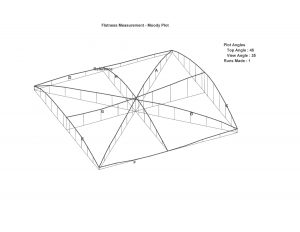
A síkfelület-vizsgálatnak 4 jóváhagyott módszere van. Elektronikus szintezők, autokollimáció, lézer és egy síklokátorként ismert eszköz. Kizárólag elektronikus szintezőket használunk, mert több okból is ezek a legpontosabb és leggyorsabb módszerek.
A lézerek és az autokollimátorok egy nagyon egyenes fénysugarat használnak referenciaként. Egy gránit felületlap egyenességének mérése a felületlap és a fénysugár közötti távolság változásának összehasonlításával történik. Ha egy egyenes fénysugarat egy reflektorcélpontra irányítunk, miközben a reflektorcélpontot lefelé mozgatjuk a felületlapon, akkor a kibocsátott és a visszatérő sugár közötti távolságot egyenességi mérésnek nevezzük.
A módszer problémája a következő. A céltárgyat és a forrást is befolyásolja a rezgés, a környezeti hőmérséklet, a nem sík vagy karcos céltárgy, a levegő szennyeződése és a légmozgás (áramok). Mindezek további hibakomponenseket okoznak. Továbbá az autokollimátorral végzett ellenőrzésekből származó kezelői hiba hozzájárulása nagyobb.
Egy tapasztalt autokollimátor-felhasználó nagyon pontos méréseket tud végezni, de továbbra is problémákba ütközik a leolvasások következetességével, különösen nagyobb távolságokon, mivel a visszaverődések hajlamosak kiszélesedni vagy kissé elmosódni. Emellett egy nem tökéletesen sík célpont és egy hosszú nap a lencsén keresztüli megfigyelés további hibákat okoz.
Egy síkbeli helymeghatározó eszköz egyszerűen butaság. Ez az eszköz egy viszonylag egyenes (egy rendkívül egyenes kollimált vagy lézerfénysugárhoz képest) fényt használ referenciának. A mechanikus eszköz nemcsak hogy egy általában csak 20 μhüvelykes felbontású kijelzőt használ, de a rúd nem egyenes, és az eltérő anyagok jelentősen hozzájárulnak a mérési hibákhoz. Véleményünk szerint, bár a módszer elfogadható, egyetlen hozzáértő laboratórium sem használna síkbeli helymeghatározó eszközt végső ellenőrző eszközként.
Az elektronikus szintezők a gravitációt használják referenciának. A differenciál elektronikus szintezőket nem befolyásolja a rezgés. Felbontásuk akár 0,1 ívmásodperc is lehet, a mérések gyorsak, pontosak, és egy tapasztalt kezelő hibája nagyon csekély. Sem a síklokátorok, sem az autokollimátorok nem készítenek számítógéppel generált topográfiai (1. ábra) vagy izometrikus (2. ábra) ábrázolást a felületről.
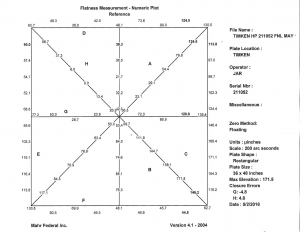
2. ábra
A felület megfelelő síkfelületének vizsgálata
A felület megfelelő síkfelület-vizsgálata a tanulmány olyan fontos része, hogy az elejére kellett volna helyeznem. Ahogy korábban említettem, a GGG-p-463c Fed Spec. NEM kalibrációs módszer. Útmutatóként szolgál a metrológiai minőségű gránit számos aspektusához, amelynek célzott vásárlója bármely szövetségi kormányzati szerv, beleértve a vizsgálati módszereket és a tűréshatárokat vagy fokozatokat is. Ha egy vállalkozó azt állítja, hogy betartotta a Fed Specs-et, akkor a síkfelület-értéket a Moody-módszerrel kell meghatározni.
Moody még az 50-es években dolgozott ki egy matematikai módszert az általános síkfelület meghatározására és a vizsgált vonalak orientációjának figyelembevételére, azaz arra, hogy azok kellően közel vannak-e egymáshoz ugyanabban a síkban. Semmi sem változott. Az Allied Signal megpróbálta fejleszteni a matematikai módszert, de arra a következtetésre jutott, hogy a különbségek olyan kicsik, hogy nem éri meg a fáradságot.
Ha egy felületburkoló vállalkozó elektronikus szintezőt vagy lézert használ, akkor egy számítógép segíti a számításokat. Számítógépes segítség nélkül az autokollimációt alkalmazó technikusnak kézzel kell kiszámítania a leolvasásokat. A valóságban ezt nem teszik. Ez túl sokáig tart, és őszintén szólva túl kihívást jelenthet. A Moody-módszerrel végzett síklapúsági vizsgálat során a technikus nyolc vonalat vizsgál Union Jack konfigurációban az egyenesség szempontjából.
A Moody-módszer
A Moody-módszer egy matematikai módszer annak meghatározására, hogy a nyolc egyenes ugyanabban a síkban van-e. Ellenkező esetben csak 8 egyenes vonalunk van, amelyek lehetnek ugyanabban a síkban vagy ahhoz közel, de előfordulhat, hogy nem. Továbbá, egy vállalkozó, aki azt állítja, hogy betartja a Fed Spec-et, és autokollimációt használ,kellnyolc oldalnyi adatot generál. Minden egyes ellenőrzött sorhoz egy oldal, amely igazolja a tesztelést, javítást, vagy mindkettőt. Ellenkező esetben a kivitelezőnek fogalma sincs, hogy mi a valódi síklapúsági érték.
Biztos vagyok benne, hogy ha Ön is azok közé tartozik, akik autokollimációval kalibrálják a lemezeiket egy vállalkozóval, akkor még soha nem látta ezeket az oldalakat! A 3. ábra egy példa a...csak egyNyolc oldalnyi lap szükséges az általános síkfelület kiszámításához. A tudatlanság és a rosszindulat egyik jele, ha a jelentésed szépen kerekített számokat tartalmaz. Például 200, 400, 650 stb. A megfelelően kiszámított érték valós szám. Például 325,4 µhüvelyk. Amikor a vállalkozó a Moody-módszert alkalmazza, a technikus pedig manuálisan számítja ki az értékeket, nyolc oldalnyi számítást és egy izometrikus ábrát kell kapnod. Az izometrikus ábra a különböző vonalak mentén lévő változó magasságokat és a kiválasztott metszéspontok közötti távolságot mutatja.
3. ábra(Nyolc ilyen oldal szükséges a síklapúság manuális kiszámításához. Mindenképpen kérdezd meg, hogy miért nem kapod meg ezt, ha a kiviteleződ autokollimációt használ!)
4. ábra
A térbeli mérőeszközökkel foglalkozó szakemberek differenciálmértékeket (4. ábra) használnak előnyös eszközként a mérőállomásról állomásra történő apró szögelfordulás-változások mérésére. A szintezők felbontása akár 0,1 ívmásodperc (5 μ hüvelyk 4 hüvelykes szánnal), rendkívül stabilak, nem befolyásolják őket a rezgés, a mért távolságok, a légáramlások, a kezelő fáradtsága, a levegő szennyezettsége vagy más eszközökben rejlő problémák. Számítógépes segítséggel a feladat viszonylag gyorssá válik, topográfiai és izometrikus ábrákat generálva, amelyek igazolják az ellenőrzést és ami a legfontosabb, a javítást.
Megfelelő ismételhetőségi teszt
Az ismételt leolvasás vagy ismételhetőség a legfontosabb teszt. Az ismételhetőségi teszt elvégzéséhez használt berendezésünk egy ismételt leolvasású lámpatest, egy LVDT és egy erősítő, amelyek a nagy felbontású leolvasásokhoz szükségesek. Az LVDT erősítőt legalább 10 μ hüvelykes vagy 5 μ hüvelykes felbontásra állítjuk be a nagy pontosságú lemezekhez.
Egy mindössze 20 µhüvelykes felbontású mechanikus indikátor használata értéktelen, ha 35 µhüvelykes ismétlési pontossági követelményt próbálsz tesztelni. Az indikátorok 40 µhüvelykes bizonytalansággal rendelkeznek! Az ismételt leolvasású beállítás egy magasságmérő/alkatrész konfigurációt utánoz.
Az ismételhetőség NEM ugyanaz, mint az általános síklapúság (átlagos sík). Szeretek a gránit ismételhetőségét egy állandó sugármérésként tekinteni.
5. ábra
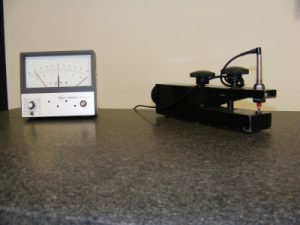
Ha egy kerek golyó ismételhetőségét teszteljük, akkor bebizonyítjuk, hogy a golyó sugara nem változott. (Egy megfelelően javított lemez ideális profilja konvex, koronás alakú.) Azonban nyilvánvaló, hogy a golyó nem lapos. Vagyis, valahogy. Rendkívül rövid távolságon lapos. Mivel az ellenőrzési munkák többsége magában foglalja a magasságmérő használatát nagyon közel az alkatrészhez, az ismételhetőség a gránitlemez legfontosabb tulajdonsága. Fontosabb, mint az általános síklapúság, kivéve, ha a felhasználó egy hosszú alkatrész egyenességét ellenőrzi.
Győződjön meg róla, hogy a kivitelező ismételt leolvasási vizsgálatot végez. Egy lemez ismételt leolvasása jelentősen eltérhet a tűréshatártól, de akkor is átmehet egy síklapúsági vizsgálaton! Meglepő módon egy laboratórium akkreditációt kaphat olyan vizsgálatban, amely nem tartalmaz ismételt leolvasási vizsgálatot. Egy olyan laboratórium, amely nem tud javítani, vagy nem túl jó a javításban, inkább csak síklapúsági vizsgálatot végez. A síklapúság ritkán változik, hacsak nem mozgatja a lemezt.
Az ismételt leolvasási tesztelés a legkönnyebben tesztelhető, de a legnehezebb az átlapolás során. Győződjön meg róla, hogy a kivitelező vissza tudja állítani az ismételhetőséget anélkül, hogy a felületet „elkaparná” vagy hullámosodna.
Delta T-teszt
Ez a teszt magában foglalja a kő TÉNYLEGES hőmérsékletének mérését a felső és az alsó felületén, és a különbség, a Delta T kiszámítását a tanúsítványon való jelentéshez.
Fontos tudni, hogy a gránit átlagos hőtágulási együtthatója 3,5 μIn/Inch/fok. A környezeti hőmérséklet és a páratartalom hatása a gránitlapra elhanyagolható. Azonban egy felületlap kiléphet a tűréshatáron, vagy néha javulhat is, még akkor is, ha 0,3–0,5 °F közötti Delta T érték van érvényben. Fontos tudni, hogy a Delta T 0,12 °F-on belül van-e az utolsó kalibráláshoz képest.
Fontos tudni azt is, hogy a lemez munkafelülete hőt vándorol. Ha a felső hőmérséklet melegebb, mint az alsó, akkor a felső felület emelkedik. Ha az alsó melegebb, ami ritka, akkor a felső felület süllyed. Nem elég, ha egy minőségbiztosítási vezető vagy technikus tudja, hogy a lemez lapos és megismételhető a kalibrálás vagy javítás időpontjában, hanem azt is tudja, hogy mekkora volt a Delta T értéke a végső kalibrációs teszt során. Kritikus helyzetekben a felhasználó a Delta T saját kezűleg történő mérésével megállapíthatja, hogy egy lemez kizárólag a Delta T ingadozása miatt lépte-e ki a tűréshatárt. Szerencsére a gránitnak sok órára vagy akár napra van szüksége ahhoz, hogy alkalmazkodjon egy környezethez. A környezeti hőmérséklet napközbeni kisebb ingadozása nem befolyásolja. Ezen okok miatt nem közöljük a környezeti kalibrációs hőmérsékletet vagy páratartalmat, mert ezek hatása elhanyagolható.
Gránitlemez kopás
Bár a gránit keményebb, mint az acéllemez, a gránit felületén mégis megjelennek apró foltok. Az alkatrészek és mérőeszközök ismétlődő mozgása a felületi lemezen a kopás legnagyobb forrása, különösen, ha ugyanazt a területet folyamatosan használják. A lemez felületén maradó szennyeződés és csiszolópor felgyorsítja a kopási folyamatot, mivel az alkatrészek vagy mérőeszközök és a gránit felülete közé kerül. Amikor alkatrészeket és mérőeszközöket mozgatnak a felületen, a csiszolópor általában további kopást okoz. A kopás csökkentése érdekében erősen ajánlom az állandó tisztítást. Láttunk már kopást a lemezeken, amelyet a lemezekre helyezett napi UPS csomagszállítmányok okoztak! Ezek a lokalizált kopási területek befolyásolják a kalibrációs ismételhetőségi teszt eredményeit. Kerülje a kopást rendszeres tisztítással.
Gránitlemez tisztítás
A lemez tisztán tartásához használjon tapadórongyot a szennyeződések eltávolításához. Csak nagyon finoman nyomja meg, hogy ne maradjanak ragasztómaradványok. Egy jól használt tapadórongy kiválóan felszedi a csiszolási port a tisztítások között. Ne dolgozzon ugyanazon a helyen. Mozgassa a felszerelést a lemezen, eloszlatva a kopást. Rendben van, ha alkoholt használ a lemez tisztításához, de vegye figyelembe, hogy ez ideiglenesen lehűti a felületet. A víz kis mennyiségű szappannal kiváló. A kereskedelmi forgalomban kapható tisztítószerek, például a Starrett tisztítószere is kiválóan használhatók, de ügyeljen arra, hogy az összes szappanmaradványt eltávolítsa a felületről.
Gránitlemez javítás
Mostanra már nyilvánvalónak kell lennie, mennyire fontos biztosítani, hogy a felületlemez-szerelő szakembere hozzáértő kalibrálást végezzen. Azok a „Clearing House” típusú laboratóriumok, amelyek „Mindent elvégez egyetlen hívással” programokat kínálnak, ritkán rendelkeznek olyan technikussal, aki javításokat tud végezni. Még ha kínálnak is javításokat, nem mindig van olyan technikusuk, aki rendelkezik a szükséges tapasztalattal, ha a felületlemez jelentősen kívül esik a tűréshatáron.
Ha azt mondják, hogy a lemez a túlzott kopás miatt nem javítható, hívjon minket. Valószínűleg el tudjuk végezni a javítást.
Technikusaink egy-másfél éves gyakornoki képzésben vesznek részt egy felületkezelő mestertechnikus irányítása alatt. A felületkezelő mestertechnikus olyan személy, aki elvégezte a gyakornoki képzést, és több mint tíz éves tapasztalattal rendelkezik a felületkezelők kalibrálásában és javításában. A Dimensional Gauge-nél három mestertechnikus dolgozik, akik összesen több mint 60 éves tapasztalattal rendelkeznek. Az egyik mestertechnikusunk bármikor rendelkezésre áll támogatásért és útmutatásért nehéz helyzetekben. Minden technikusunk tapasztalattal rendelkezik minden méretű, a kicsitől a nagyon nagyig terjedő felületkezelők kalibrálásában, változó környezeti feltételek mellett, különböző iparágakban és súlyos kopási problémák esetén.
A Fed Specs specifikációi 16-64 átlagos aritmetikai érdességet (AA) írnak elő. Mi a 30-35 AA közötti érdességet részesítjük előnyben. Ez az érdesség éppen annyi, hogy az alkatrészek és a mérőeszközök simán mozogjanak, és ne ragadjanak vagy csavarodjanak a felületi lemezhez.
Javításkor ellenőrizzük a lemez megfelelő rögzítését és vízszintességét. Száraz leppelési módszert alkalmazunk, de extrém kopás esetén, amely jelentős gránit eltávolítást igényel, nedves leppelést végzünk. Technikusaink maguk után takarítanak, alaposak, gyorsak és precízek. Ez azért fontos, mert a gránitlemez szervizelés költsége magában foglalja az állásidőt és a kiesett termelést. A hozzáértő javítás kiemelkedően fontos, és soha ne az ár vagy a kényelem alapján válasszon kivitelezőt. Bizonyos kalibrálási munkák magasan képzett szakembereket igényelnek. Nálunk ez megvan.
Végső kalibrációs jelentések
Minden felületi lemez javításhoz és kalibráláshoz részletes szakmai jelentéseket készítünk. Jelentéseink jelentős mennyiségű kritikus és releváns információt tartalmaznak. A Fed Spec. előírja a legtöbb általunk megadott információt. Az olyan más minőségi szabványokban, mint az ISO/IEC-17025, szereplő információk kivételével a jelentésekre vonatkozó minimális Fed. Specifikációk a következők:
- Méret lábban (X' x X')
- Szín
- Stílus (Szorítóperemek nélküli, illetve két vagy négy peremre utal)
- Becsült rugalmassági modulus
- Átlagos síktűrés (minőség/méret alapján meghatározva)
- Ismételt leolvasás Tűréshatár (átlóhossz hüvelykben meghatározva)
- Az átlagos sík, ahogy megtalálták
- Átlagsík balra
- Ismételje meg az olvasást a talált módon
- Ismételje meg az olvasást a bal oldaliak szerint
- Delta T (hőmérséklet-különbség a felső és az alsó felületek között)
Ha a technikusnak átlapolást vagy javítási munkákat kell végeznie a felületlapon, akkor a kalibrációs tanúsítványhoz topográfiai vagy izometrikus diagramot kell csatolni az érvényes javítás igazolására.
Néhány szó az ISO/IEC-17025 akkreditációkról és az azokat birtokló laboratóriumokról
Az, hogy egy laboratórium akkreditációval rendelkezik felületi lemezek kalibrálásában, nem feltétlenül jelenti azt, hogy tudja, mit csinál, még kevésbé azt, hogy helyesen csinálja! Az sem feltétlenül jelenti azt, hogy a laboratórium javítani is tud. Az akkreditáló testületek nem tesznek különbséget az ellenőrzés és a kalibrálás (javítás) között.Aés tudok is egyről, talán2akkreditáló testületek, amelyekLnyakkendőAszalagot a kutyám köré, ha eleget fizettem volna nekik! Szomorú tény. Láttam már laboratóriumokat akkreditációt szerezni úgy, hogy a három előírt teszt közül csak egyet végeztek el. Sőt, láttam már laboratóriumokat irreális bizonytalanságokkal akkreditációt szerezni, és anélkül akkreditálták őket, hogy bármilyen bizonyítékot vagy bemutatást kaptak volna az értékek kiszámításáról. Ez mind sajnálatos.
Összegzés
Nem szabad alábecsülni a precíziós gránitlapok szerepét. A gránitlapok által biztosított sík viszonyítási alap az alapja minden más mérésnek.
Használhatod a legmodernebb, legpontosabb és legsokoldalúbb mérőeszközöket. A pontos méréseket azonban nehéz megállapítani, ha a referenciafelület nem sík. Egyszer egy leendő ügyfél azt mondta nekem: „Hát ez egyszerűen kőkemény!”. A válaszom az volt: „Rendben, igazad van, és semmiképpen sem indokolhatod, hogy szakértők jöjjenek be a felületek karbantartásához.”
Az ár soha nem jó ok a felületburkoló vállalkozók kiválasztására. A vevők, a könyvelők és a zavaró számú minőségügyi mérnök nem mindig értik, hogy a gránitlapok újraminősítése nem olyan, mint egy mikrométer, tolómérő vagy egy DMM újraminősítése.
Bizonyos műszerek szakértelmet igényelnek, nem pedig alacsony árat. Mindezek mellett az áraink nagyon kedvezőek. Különösen azért, mert biztosak lehetünk abban, hogy helyesen végezzük el a munkát. Hozzáadott értékként messze túlteljesítjük az ISO-17025 és a szövetségi specifikációk követelményeit.
A felületi lemezek számos dimenziós mérés alapját képezik, és a mérési pontosság biztosítása érdekében a felületi lemez megfelelő gondozása szükséges.
A gránit a felületi lapok legnépszerűbb anyaga ideális fizikai tulajdonságai, például a felületi keménység és a hőmérséklet-ingadozásokkal szembeni alacsony érzékenység miatt. A folyamatos használat során azonban a felületi lapok kopásnak vannak kitéve.
A síklapúság és az ismételhetőség egyaránt kritikus szempont annak meghatározásában, hogy egy lemez precíz felületet biztosít-e a pontos mérések elvégzéséhez. Mindkét szempont tűréshatárait a GGG-P-463C, DIN, GB, JJS... szövetségi specifikáció határozza meg. A síklapúság a lemez legmagasabb pontja (a tetősík) és legalacsonyabb pontja (az alapsík) közötti távolság mérése. Az ismételhetőség meghatározza, hogy egy adott területről vett mérés megismételhető-e a teljes lemezen a megadott tűréshatáron belül. Ez biztosítja, hogy ne legyenek csúcsok vagy völgyek a lemezen. Ha a leolvasott értékek nem egyeznek meg a megadott irányelvekkel, akkor a mérések specifikációnak való visszaállításához újra felületkezelésre lehet szükség.
A felületi lemezek rendszeres kalibrálása szükséges a síkfelület és az ismételhetőség időbeli biztosításához. A Cross precíziós mérési csoportja ISO 17025 akkreditációval rendelkezik a felületi lemezek síkfelületének és ismételhetőségének kalibrálására. A Mahr felületi lemez tanúsítási rendszerét alkalmazzuk, amely a következőket tartalmazza:
- Hangulatjel- és profilelemzés,
- Izometrikus vagy numerikus ábrázolások,
- Többszörös futtatás átlaga, és
- Automatikus osztályozás az ipari szabványok szerint.
A Mahr számítógéppel támogatott modellje bármilyen szög- vagy lineáris eltérést meghatároz az abszolút szinttől, és ideálisan alkalmas felületi lapok nagy pontosságú profilalkotására.
A kalibrálások közötti időközök a használat gyakoriságától, a lemez elhelyezésének környezeti körülményeitől és a vállalat sajátos minőségi követelményeitől függően változnak. A felületlemez megfelelő karbantartása hosszabb időközöket tehet lehetővé az egyes kalibrációk között, segít elkerülni az újralapolás többletköltségeit, és ami a legfontosabb, biztosítja, hogy a lemezen végzett mérések a lehető legpontosabbak legyenek. Bár a felületlemezek robusztusnak tűnnek, precíziós műszerek, és ennek megfelelően is kell kezelni őket. Íme néhány szempont, amelyet érdemes figyelembe venni a felületlemezek ápolásával kapcsolatban:
- Tartsa tisztán a tányért, és ha lehetséges, takarja le, amikor nem használja.
- A mérőeszközökön vagy mérendő darabokon kívül semmi mást nem szabad a mérőlapra helyezni.
- Ne használd minden alkalommal ugyanazt a helyet a tányéron.
- Ha lehetséges, rendszeresen forgassa el a lapot.
- Tartsd be a tányér terhelési korlátját
A precíziós gránit alap javíthatja a szerszámgépek teljesítményét
A gépészetben általában, és különösen a szerszámgépgyártásban folyamatosan növekednek a követelmények. A maximális pontosság és teljesítményértékek elérése a költségek növelése nélkül állandó kihívást jelent a versenyképesség szempontjából. A szerszámgépágy itt döntő tényező. Ezért egyre több szerszámgépgyártó támaszkodik a gránitra. Fizikai paramétereinek köszönhetően egyértelmű előnyöket kínál, amelyeket acéllal vagy polimerbetonnal nem lehet elérni.
A gránit egy úgynevezett vulkáni mélykőzet, nagyon sűrű és homogén szerkezettel rendelkezik, rendkívül alacsony hőtágulási együtthatóval, alacsony hővezető képességgel és magas rezgéscsillapítással.
Az alábbiakban megismerheti, miért elavult az a közhiedelem, hogy a gránit főként csak csúcskategóriás koordináta-mérőgépek alapjául alkalmas, és miért jelent ez a természetes anyag szerszámgépalapként nagyon előnyös alternatívát az acéllal vagy az öntöttvassal szemben még a nagy pontosságú szerszámgépek esetében is.
Gránit alkatrészeket gyártunk dinamikus mozgáshoz, gránit alkatrészeket lineáris motorokhoz, gránit alkatrészeket NDT-hez, gránit alkatrészeket röntgenhez, gránit alkatrészeket CMM-hez, gránit alkatrészeket CNC-hez, gránit precíziós lézerhez, gránit alkatrészeket repülőgépiparhoz, gránit alkatrészeket precíziós asztalokhoz...
Magas hozzáadott érték többletköltségek nélkül
A gránit gépészetben való növekvő felhasználása nem annyira az acél árának hatalmas emelkedésének köszönhető, hanem inkább annak, hogy a gránitból készült gépágy segítségével a szerszámgéphez hozzáadott érték nagyon kevés vagy semmilyen többletköltséggel elérhető. Ezt bizonyítják a jól ismert német és európai szerszámgépgyártók költség-összehasonlításai.
A gránit által lehetővé tett jelentős termodinamikai stabilitási, rezgéscsillapítási és hosszú távú pontossági javulás nem érhető el öntöttvas vagy acél ágyakkal, vagy csak viszonylag magas költségekkel. Például a hőhibák a gép teljes hibájának akár 75%-át is kitehetik, amit gyakran szoftveresen próbálnak kompenzálni – mérsékelt sikerrel. Alacsony hővezető képessége miatt a gránit a legjobb alap a hosszú távú pontossághoz.
1 μm-es tűréshatárral a gránit könnyedén teljesíti a DIN 876 szabvány szerinti síkfelületi követelményeket a 00 pontossági fok tekintetében. Az 1-től 10-ig terjedő keménységi skálán 6-os értékével rendkívül kemény, 2,8 g/cm³ fajsúlyával pedig majdnem eléri az alumíniumét. Ez további előnyöket is eredményez, mint például a nagyobb előtolási sebesség, a nagyobb tengelygyorsulások és a forgácsolószerszámok élettartamának meghosszabbítása. Így az öntöttvas ágyról gránit gépágyra való átállás a szóban forgó szerszámgépet a pontosság és a teljesítmény tekintetében a csúcskategóriába emeli – többletköltségek nélkül.
A gránit ökológiai lábnyomának javulása
Az olyan anyagokkal ellentétben, mint az acél vagy az öntöttvas, a természetes követ nem kell sok energiával és adalékanyagokkal előállítani. A kitermeléshez és a felületkezeléshez csak viszonylag kis mennyiségű energia szükséges. Ez kiváló ökológiai lábnyomot eredményez, amely még a gép élettartamának végén is meghaladja az acél anyagát. A gránitágy képezheti egy új gép alapját, vagy teljesen más célokra is felhasználható, például útépítéshez aprításra.
A gránit esetében sincs hiány a forrásokból. Ez egy mélyen fekvő kőzet, amely a földkéregben magmából képződött. Évmilliók alatt „érett”, és szinte minden kontinensen, beleértve egész Európát is, nagyon nagy mennyiségben áll rendelkezésre természeti erőforrásként.
Következtetés: A gránit számos kimutatható előnye az acéllal vagy öntöttvassal szemben igazolja a gépészmérnökök egyre növekvő hajlandóságát arra, hogy ezt a természetes anyagot nagy pontosságú, nagy teljesítményű szerszámgépek alapjaként használják. A gránit szerszámgépek és a gépészet számára előnyös tulajdonságairól részletes információkat ebben a további cikkben talál.
Az ismételt mérés a lokális síkfelületi területek mérése. Az ismételt mérési specifikáció kimondja, hogy a lemez felületén bárhol végzett mérés a megadott tűréshatáron belül megismétlődik. A lokális terület síkfelületének az általános síkfelületnél szigorúbb szabályozása garantálja a felületi síkfelület profiljának fokozatos változását, ezáltal minimalizálva a lokális hibákat.
A legtöbb gyártó, beleértve az importált márkákat is, betartja a szövetségi szabványt az általános síklapúsági tűréshatárokra vonatkozóan, de sokan figyelmen kívül hagyják az ismételt méréseket. A piacon ma kapható alacsony árú vagy költségvetési szempontból kedvező árú lemezek közül sok nem garantálja az ismételt méréseket. Az a gyártó, amely nem garantálja az ismételt méréseket, NEM olyan lemezeket gyárt, amelyek megfelelnek az ASME B89.3.7-2013 vagy a GGG-P-463c szövetségi specifikáció, illetve a DIN 876, GB, JJS... szabványok követelményeinek.
Mindkettő kritikus fontosságú a precíziós felület biztosításához a pontos mérésekhez. A síklapúság önmagában nem elegendő a mérési pontosság garantálásához. Vegyünk például egy 36 x 48-as, A osztályú ellenőrzési felületi lemezt, amely CSAK a 0,000300"-os síklapúsági specifikációnak felel meg. Ha az ellenőrzött darab több csúcsot áthidal, és a használt mérőeszköz egy mély ponton van, a mérési hiba egy területen a teljes tűréshatár lehet, 000300"! Valójában sokkal nagyobb is lehet, ha a mérőeszköz egy lejtőn nyugszik.
0,000600"-0,000800"-os hibák is lehetségesek, a lejtés erősségétől és a használt mérőeszköz karjának hosszától függően. Ha ennek a lemeznek az ismételt mérési specifikációja 0,000050" FIR lenne, akkor a mérési hiba kisebb lenne, mint 0,000050", függetlenül attól, hogy a mérést a lemezen hol végzik. Egy másik probléma, amely általában akkor merül fel, amikor egy képzetlen technikus a helyszínen próbálja meg újra felületkezelni a lemezt, az ismételt mérések önmagukban történő alkalmazása a lemez hitelesítésére.
Az ismételhetőség ellenőrzésére használt műszerek NEM az általános síklapúság ellenőrzésére szolgálnak. Ha egy tökéletesen ívelt felületen nullára állítják őket, továbbra is nullát mutatnak, függetlenül attól, hogy a felület tökéletesen sík, tökéletesen homorú vagy 1/2"-os domború! Egyszerűen csak a felület egyenletességét ellenőrzik, nem a síklapúságot. Csak az a lemez felel meg valóban az ASME B89.3.7-2013 vagy a GGG-P-463c szövetségi specifikáció követelményeinek, amely megfelel mind a síklapúsági specifikációnak, mind az ismételt mérési specifikációnak.
Ask us about or flatness specification and repeat measurement promise by calling +86 19969991659 or emailing INFO@ZHHIMG.COM
Igen, de csak egy adott függőleges hőmérsékleti gradiens esetén garantálhatók. A lemez hőtágulása könnyen okozhat a tűréshatárnál nagyobb pontosságváltozást, ha a gradiensben változás áll be. Bizonyos esetekben, ha a tűréshatár elég szűk, a felső világításból elnyelt hő több óra alatt is elegendő gradiensváltozást okozhat.
A gránit hőtágulási együtthatója körülbelül 0,0000035 hüvelyk/hüvelyk/1°F. Példaként: egy 36" x 48" x 8" méretű felületi lemez pontossága 0,000075" (az AA minőség 1/2-e) 0°F gradiens mellett, a teteje és az alja azonos hőmérsékletű. Ha a lemez teteje annyira felmelegszik, hogy 1°F-kal melegebb, mint az alja, a pontosság 0,000275"-re konvex lesz! Ezért a laboratóriumi AA minőségnél szigorúbb tűrésű lemez megrendelését csak akkor szabad megfontolni, ha megfelelő klímaszabályozás áll rendelkezésre.
Egy felületi lemezt 3 ponton kell alátámasztani, ideális esetben a lemez végeitől a hossz 20%-ának megfelelő távolságra befelé. Két tartóelemet a hosszú oldalaktól a szélesség 20%-ának megfelelő távolságra kell elhelyezni, a fennmaradó tartóelemet pedig középre kell igazítani. Csak 3 pont támaszkodhat szilárdan bármi máson, kivéve a precíziós felületet.
A lemezt a gyártás során ezeken a pontokon, használat közben pedig csak ezen a három ponton kell alátámasztani. Ha a lemezt háromnál több ponton próbálják megtámasztani, akkor a lemez három pont különböző kombinációiból kapja a támasztását, amelyek nem ugyanazok a 3 pontok lesznek, amelyeken a gyártás során tartották. Ez hibákat okoz, mivel a lemez elhajlik, hogy megfeleljen az új alátámasztási elrendezésnek. Minden zhhimg acélállvány olyan tartógerendákkal rendelkezik, amelyeket úgy terveztek, hogy a megfelelő alátámasztási pontokkal illeszkedjenek.
Ha a lemez megfelelően van alátámasztva, a pontos szintezés csak akkor szükséges, ha az alkalmazás megkívánja. A szintezés nem szükséges a megfelelően alátámasztott lemez pontosságának fenntartásához.
Miért érdemes gránitot választani?GépalapokésMetrológiai alkatrészek?
A válasz szinte minden alkalmazásra „igen”. A gránit előnyei a következők: Nincs rozsda vagy korrózió, szinte immunis a vetemedésre, nincs kompenzáló púposság csorbításkor, hosszabb kopási élettartam, simább működés, nagyobb pontosság, gyakorlatilag nem mágneses, alacsony hőtágulási együttható és alacsony karbantartási költség.
A gránit egyfajta magmás kőzet, amelyet rendkívüli szilárdsága, sűrűsége, tartóssága és korrózióállósága miatt bányásznak. De a gránit nagyon sokoldalú is – nem csak négyzetekhez és téglalapokhoz használható! Valójában a Starrett Tru-Stone magabiztosan dolgozik rendszeresen mindenféle formájú, szögű és ívű gránit elemekkel – kiváló eredményekkel.
Korszerű megmunkálási eljárásainknak köszönhetően a vágott felületek kivételesen síkak lehetnek. Ezek a tulajdonságok teszik a gránitot ideális anyaggá egyedi méretű és egyedi tervezésű gépalapok és méréstechnikai alkatrészek létrehozásához. A gránit:
megmunkálható
precízen sík vágva és befejezve
rozsdaálló
tartós
tartós
A gránit alkatrészek könnyen tisztíthatók is. Egyedi tervek készítésekor mindenképpen a gránitot válassza kiváló előnyei miatt.
SZABVÁNYOK/ NAGY KOPÁSI TERMÉKEKHEZ SZOLGÁLÓ ALKALMAZÁSOK
A ZhongHui által a standard felületi lemeztermékeinkhez használt gránit magas kvarctartalmú, ami nagyobb ellenállást biztosít a kopással és a sérülésekkel szemben. Kiváló fekete és kristályrózsaszín színeink alacsony vízfelvételi aránnyal rendelkeznek, minimalizálva a precíziós mérőeszközök rozsdásodásának lehetőségét a lemezekre helyezés során. A ZhongHui által kínált gránitszínek kevésbé tükröződnek, ami kevesebb szemet fáraszt a lemezeket használók számára. Gránittípusaink kiválasztásakor figyelembe vettük a hőtágulást, hogy ezt a szempontot minimálisra csökkentsük.
EGYEDI ALKALMAZÁSOK
Amikor az alkalmazás egyedi formájú, menetes betétekkel, hornyokkal vagy egyéb megmunkálással ellátott lemezt igényel, olyan anyagot kell választania, mint a fekete diabáz. Ez a természetes anyag kiváló merevséget, kiváló rezgéscsillapítást és jobb megmunkálhatóságot kínál.
Igen, ha nem túl erősen kopottak. Gyári beállításaink és berendezéseink optimális feltételeket biztosítanak a lemez megfelelő kalibrálásához és szükség esetén utólagos megmunkálásához. Általánosságban elmondható, hogy ha egy lemez 0,001"-en belül van a szükséges tűréshatáron, akkor a helyszínen újra felületkezelhető. Ha egy lemez annyira elkopott, hogy 0,001"-nél nagyobb mértékben kívül esik a tűréshatáron, vagy ha erősen gödrös vagy horpadt, akkor az újracsiszolás előtt a gyárba kell küldeni csiszolásra.
Nagy körültekintéssel kell eljárni a helyszíni kalibráló és felületmegmunkáló szakember kiválasztásakor. Javasoljuk, hogy körültekintően válassza ki a kalibrációs szolgáltatást. Kérjen akkreditációt, és ellenőrizze, hogy a technikus által használt berendezés rendelkezik-e a Nemzeti Ellenőrző Intézet által visszakövethető kalibrációval. Sok évbe telik megtanulni, hogyan kell megfelelően leppelni a precíziós gránitot.
A ZhongHui gyors átfutási időt biztosít a gyárunkban elvégzett kalibrációkra. Ha lehetséges, küldje el kalibrálásra a lemezeit. Az Ön minősége és hírneve a mérőeszközei, beleértve a felületi lemezeket is, pontosságától függ!
Fekete felületű lapjaink jelentősen nagyobb sűrűséggel rendelkeznek, és akár háromszor olyan merevek is. Ezért egy feketéből készült lapnak nem kell olyan vastagnak lennie, mint egy azonos méretű gránitlapnak ahhoz, hogy azonos vagy nagyobb ellenállással rendelkezzen az alakváltozással szemben. A csökkentett vastagság kisebb súlyt és alacsonyabb szállítási költségeket jelent.
Óvakodj azoktól, akik ugyanolyan vastagságban gyengébb minőségű fekete gránitot használnak. Amint fentebb említettük, a gránit tulajdonságai, akárcsak a fa vagy a fém tulajdonságai, anyagonként és színenként változnak, és nem jelzik pontosan a merevséget, keménységet vagy kopásállóságot. Valójában sok fekete gránit és diabáz típus nagyon puha, és nem alkalmas felületi lemezként való alkalmazásra.
Nem. A speciális felszerelés és a szükséges képzés miatt ezeknek az elemeknek az újrafeldolgozásához vissza kell küldeni őket a gyárba kalibrálás és újrafeldolgozás céljából.
Igen. A kerámia és a gránit hasonló tulajdonságokkal rendelkezik, és a gránit kalibrálására és tükrözésére használt módszerek kerámia tárgyakkal is alkalmazhatók. A kerámiát nehezebb tükrözni, mint a gránitot, ami magasabb költségeket eredményez.
Igen, feltéve, hogy a betétek a felület alá süllyesztve vannak. Ha az acélbetétek a felület síkjával egy síkban vagy annál magasabban vannak, akkor azokat pontszerűen lefelé kell csiszolni, mielőtt a lemezt átfednék. Szükség esetén ezt a szolgáltatást is biztosítjuk.
Igen. A kívánt menettel (angol vagy metrikus) ellátott acélbetétek epoxigyantával ragaszthatók a lemezhez a kívánt helyeken. A ZhongHui CNC gépeket használ a legszűkebb betétpozíciók biztosításához +/- 0,005”-on belül. Kevésbé kritikus betétek esetén a menetes betétek elhelyezési tűrése ±0,060”. Egyéb lehetőségek közé tartoznak az acél T-rudak és a közvetlenül a gránitba megmunkált fecskefarkú hornyok.
A nagy szilárdságú epoxigyantával megfelelően rögzített és jó kidolgozású betétek nagy torziós és nyíróerőnek ellenállnak. Egy nemrégiben elvégzett, 3/8"-16 menetes betéteket használó tesztben egy független vizsgálólaboratórium megmérte azt az erőt, amely ahhoz szükséges, hogy egy epoxigyantával kötött betétet lehúzzanak egy felületi lemezről. Tíz lemezt teszteltek. Ebből a tízből kilenc esetben a gránit tört el először. A töréspontnál az átlagos terhelés 10 020 font volt a szürke gránitnál és 12 310 font a fekete gránitnál. Abban az egyetlen esetben, amikor egy betétet kihúztak a lemezből, a töréspontnál a terhelés 12 990 font volt! Ha egy munkadarab hidat képez a betéten, és extrém nyomatékot alkalmaznak, akkor elegendő erő keletkezhet a gránit töréséhez. Részben ezért a ZhongHui iránymutatást ad az epoxigyantával kötött betétekre alkalmazható maximális biztonságos nyomatékra vonatkozóan: https://www.zhhimg.com/standard-thread-inserts-product/
Igen, de csak a gyárunkban. Üzemünkben szinte bármilyen lemezt vissza tudunk állítani „újszerű” állapotba, általában kevesebb mint a csere költségének feléért. A sérült éleket kozmetikailag javíthatjuk, a mély hornyokat, karcolásokat és gödröket kicsiszolhatjuk, a rögzített tartóelemeket pedig kicserélhetjük. Ezenkívül módosíthatjuk a lemezt, hogy növeljük annak sokoldalúságát tömör vagy menetes acélbetétek hozzáadásával, valamint hornyok vagy szorítóajak vágásával, az Ön igényei szerint.
Miért válassza a gránitot?
A gránit egyfajta magmás kőzet, amely több millió évvel ezelőtt keletkezett a Földben. A magmás kőzet összetétele számos ásványt tartalmazott, például kvarcot, amely rendkívül kemény és kopásálló. A keménység és a kopásállóság mellett a gránit hőtágulási együtthatója körülbelül fele akkora, mint az öntöttvasé. Mivel térfogati súlya körülbelül egyharmada az öntöttvasnak, a gránit könnyebben mozgatható.
Gépalapokhoz és méréstechnikai alkatrészekhez a fekete gránit a leggyakrabban használt szín. A fekete gránit nagyobb mennyiségű kvarcot tartalmaz, mint más színek, ezért a legkeményebb kopásnak kitett.
A gránit költséghatékony, és a vágott felületek kivételesen síkak lehetnek. Nemcsak kézzel lehet leppelni a rendkívüli pontosság elérése érdekében, de az újrakezelés is elvégezhető anélkül, hogy a lemezt vagy az asztalt el kellene vinni a helyszínről. Ez teljes egészében kézi leppelési művelet, és általában sokkal kevesebbe kerül, mint egy öntöttvas alternatíva újrakezelése.
Ezek a tulajdonságok teszik a gránitot ideális anyaggá egyedi méretű és tervezésű gépalapok és méréstechnikai alkatrészek, például agránit felületlemez.
A ZhongHui egyedi gránittermékeket gyárt, amelyeket speciális méretezési követelményeknek megfelelően hoznak létre. Ezek az egyedi termékek a következőktől függően változhatnak:egyenes élek toháromszögekA gránit sokoldalú felhasználhatósága miatt aalkatrészekBármilyen méretben gyárthatók; strapabíróak és hosszú élettartamúak.
A gránit felületlapok előnyei
A sík felületen történő mérés fontosságát Henry Maudsley brit feltaláló állapította meg az 1800-as években. Szerszámgép-újítóként megállapította, hogy az alkatrészek egyenletes gyártásához szilárd felületre van szükség a megbízható mérésekhez.
Az ipari forradalom megteremtette az igényt a mérőfelületekre, így a Crown Windley mérnöki vállalat gyártási szabványokat dolgozott ki. A felületi lemezek szabványait a Crown először 1904-ben határozta meg fém felhasználásával. Ahogy a fémek iránti kereslet és költség nőtt, elkezdték vizsgálni a mérőfelületek alternatív anyagait.
Amerikában Wallace Herman emlékműkészítő megállapította, hogy a fekete gránit kiváló felületi anyag a fémmel szemben. Mivel a gránit nem mágneses és nem rozsdásodik, hamarosan a kedvelt mérőfelületté vált.
A gránit munkalap elengedhetetlen befektetés laboratóriumok és tesztlétesítmények számára. Egy 600 x 600 mm-es gránit munkalap szerelhető fel egy állványra. Az állványok 34 hüvelyk (0,86 m) munkamagasságot biztosítanak, öt állítható szintezőponttal.
A megbízható és konzisztens mérési eredmények eléréséhez elengedhetetlen a gránit felületű lemez. Mivel a felület sima és stabil, lehetővé teszi a műszerek gondos kezelését.
A gránit felületű lapok fő előnyei a következők:
• Nem tükröződő
• Ellenáll a vegyszereknek és a korróziónak
• Alacsony hőtágulási együttható a vasbetonhoz képest, így kevésbé érzékeny a hőmérsékletváltozásra
• Természetesen merev és kopásálló
• A felület síkja nem változik, ha karcolódik
• Nem rozsdásodik
• Nem mágneses
• Könnyen tisztítható és karbantartható
• A kalibráció és a felületkezelés a helyszínen is elvégezhető
• Menetes tartóbetétek fúrásához alkalmas
• Nagyfokú rezgéscsillapítás
Sok műhely, ellenőrző helyiség és laboratórium a precíziós gránit felületlapokat használja a pontos mérés alapjául. Mivel minden lineáris mérés egy pontos referenciafelülettől függ, amelyből a végső méreteket veszik, a felületlapok a legjobb referenciasíkot biztosítják a munkadarab ellenőrzéséhez és az elrendezéshez a megmunkálás előtt. Ideális alapot jelentenek magasságméréshez és mérőfelületek méréséhez is. Továbbá a nagyfokú síkfelület, stabilitás, általános minőség és kivitelezés jó választássá teszi őket kifinomult mechanikus, elektronikus és optikai mérőrendszerek felszereléséhez. Ezen mérési folyamatok bármelyikéhez elengedhetetlen a felületlapok kalibrálása.
Ismételt mérések és síkfelület-vizsgálat
Mind a síklapúság, mind az ismételt mérések kritikusak a precíziós felület biztosításához. A síklapúság úgy tekinthető, mint a felület összes pontja, amely két párhuzamos síkban, az alapsíkban és a tetősíkban található. A síkok közötti távolság mérése a felület teljes síklapúságát adja. Ez a síklapúság mérés általában tűréshatárral rendelkezik, és tartalmazhat egy fokozatmegjelölést is.
A három szabványos minőség síkfelületi tűréseit a szövetségi specifikáció határozza meg a következő képlettel:
Laboratóriumi minőségű AA = (40 + átló² / 25) x 0,000001 hüvelyk (egyoldalú)
A ellenőrzési fokozat = Laboratóriumi AA fokozat x 2
Szerszámszoba B osztály = Laboratóriumi AA osztály x 4
A síkfelületűség mellett biztosítani kell az ismételhetőséget is. Az ismételt mérés a lokális síkfelületű területek mérése. Ez egy olyan mérés, amelyet a lemez felületén bárhol végeznek, és amely a megadott tűréshatáron belül megismétlődik. A lokális terület síkfelületének az általános síkfelületnél szigorúbb tűréshatárra történő szabályozása garantálja a felületi síkfelület profiljának fokozatos változását, ezáltal minimalizálva a lokális hibákat.
Annak biztosítása érdekében, hogy a felületi lemez megfeleljen mind a síkfelületi, mind az ismételt mérési előírásoknak, a gránit felületi lapok gyártóinak a GGG-P-463c szövetségi specifikációt kell használniuk a specifikációik alapjául. Ez a szabvány az ismételt mérési pontossággal, a gránit felületi lapok anyagtulajdonságaival, a felületkezeléssel, a támaszpontok elhelyezkedésével, a merevséggel, az elfogadható ellenőrzési módszerekkel és a menetes betétek beszerelésével foglalkozik.
Mielőtt egy felületi lemez az általános síkfelületre vonatkozó specifikáción túl kopna, kopott vagy hullámos oszlopok jelennek meg rajta. Az ismételt mérési hibák havi ellenőrzése ismételt leolvasású mérőeszközzel azonosítja a kopási foltokat. Az ismételt leolvasású mérőeszköz egy nagy pontosságú műszer, amely lokális hibákat észlel, és nagy nagyítású elektronikus erősítőn megjeleníthető.
A lemez pontosságának ellenőrzése
Néhány egyszerű irányelv betartásával egy gránit felületlemezbe fektetett befektetés évekig kitart. A lemez használatától, a műhelykörnyezettől és a szükséges pontosságtól függően a felületlemez pontosságának ellenőrzésének gyakorisága változó. Általános szabály, hogy az új lemezt a vásárlástól számított egy éven belül teljes újrakalibráláson kell átesnie. Ha a lemezt gyakran használják, célszerű ezt az intervallumot hat hónapra lerövidíteni.
Mielőtt egy felületi lemez az általános síkfelületre vonatkozó specifikáción túl kopna, kopott vagy hullámos oszlopok jelennek meg rajta. Az ismételt mérési hibák havi ellenőrzése ismételt leolvasású mérőeszközzel azonosítja a kopási foltokat. Az ismételt leolvasású mérőeszköz egy nagy pontosságú műszer, amely lokális hibákat észlel, és nagy nagyítású elektronikus erősítőn megjeleníthető.
Egy hatékony ellenőrzési programnak tartalmaznia kell rendszeres ellenőrzéseket autokollimátorral, biztosítva az általános síkfelület tényleges kalibrálását, amely a Nemzeti Szabványügyi és Technológiai Intézet (NIST) előírásai szerint visszavezethető. Időről időre átfogó kalibrálásra van szükség a gyártó vagy egy független cég által.
Kalibrációk közötti eltérések
Bizonyos esetekben eltérések vannak a felületi lemezek kalibrációi között. Néha olyan tényezők, mint a kopásból eredő felületváltozás, az ellenőrző berendezések helytelen használata vagy a nem kalibrált berendezések használata okozhatják ezeket az eltéréseket. A két leggyakoribb tényező azonban a hőmérséklet és az alátámasztás.
Az egyik legfontosabb változó a hőmérséklet. Előfordulhat például, hogy a felületet a kalibrálás előtt forró vagy hideg oldattal mosták le, és nem hagytak elegendő időt a normalizálódásra. A hőmérsékletváltozás egyéb okai közé tartozik a hideg vagy forró levegő huzata, a közvetlen napfény, a mennyezeti világítás vagy a lemez felületén lévő egyéb sugárzó hőforrások.
A téli és nyári időszakok között eltérések lehetnek a függőleges hőmérsékleti gradiensben is. Bizonyos esetekben a lemeznek nem hagynak elegendő időt a normalizálódásra a szállítás után. Érdemes a függőleges gradiens hőmérsékletét a kalibrálás elvégzésekor rögzíteni.
A kalibrációs eltérések másik gyakori oka a nem megfelelően alátámasztott lemez. A felületi lemezt három ponton kell alátámasztani, ideális esetben a lemez végeitől a hossz 20%-ának megfelelő távolságra. Két tartót a hosszú oldalaktól a szélesség 20%-ának megfelelő távolságra kell elhelyezni, a fennmaradó tartót pedig középre kell igazítani.
Csak három pont támaszkodhat szilárdan bármi máson, mint egy precíziós felületen. Ha a lemezt háromnál több ponton próbálják megtámasztani, akkor a lemez három pont különböző kombinációiból kapja a támasztását, amelyek nem ugyanazok a három pontok lesznek, amelyeken a gyártás során támasztották. Ez hibákat okoz, mivel a lemez elhajlik, hogy megfeleljen az új alátámasztási elrendezésnek. Érdemes acélállványokat használni, amelyek tartógerendáit úgy tervezték, hogy a megfelelő alátámasztási pontokkal illeszkedjenek. Az erre a célra szolgáló állványok általában a felületlemez gyártójától szerezhetők be.
Ha a lemez megfelelően van alátámasztva, a pontos szintezés csak akkor szükséges, ha az alkalmazás előírja. A szintezés nem szükséges a megfelelően alátámasztott lemez pontosságának fenntartásához.
Fontos a lemez tisztán tartása. A levegőben szálló abrazív por általában a lemez kopásának és elhasználódásának legnagyobb forrása, mivel hajlamos beágyazódni a munkadarabokba és a mérőeszközök érintkező felületeibe. Fedje le a lemezeket, hogy megvédje azokat a portól és a sérülésektől. A kopásállóság meghosszabbítható a lemez letakarásával, amikor nem használja.
Növelje a lemez élettartamát
Néhány irányelv betartása csökkenti a gránit felületlap kopását, és végső soron meghosszabbítja annak élettartamát.
Először is fontos a lemez tisztán tartása. A levegőben szálló csiszolópor általában a lemez kopásának és elhasználódásának legnagyobb forrása, mivel hajlamos beágyazódni a munkadarabokba és a mérőeszközök érintkező felületeibe.
Fontos a lemezeket letakarni a por és a sérülések elleni védelem érdekében. A kopásállóság meghosszabbítható, ha használaton kívül letakarjuk őket.
Időnként forgassa el a lemezt, hogy egyetlen terület ne legyen túlzottan igénybe véve. Ezenkívül ajánlott a mérőeszközök acél érintkezőlapjait keményfém betétekre cserélni.
Kerüld az étel vagy üdítőital tányérra helyezését. Sok üdítőital szénsavat vagy foszforsavat tartalmaz, amelyek feloldhatják a lágyabb ásványi anyagokat, és apró gödröcskéket hagyhatnak a felszínen.
Hol lehet visszaesni?
Amikor egy gránit felületi lemez felújításra szorul, fontolja meg, hogy ezt a szolgáltatást a helyszínen vagy a kalibráló műhelyben végeztesse-e el. Mindig előnyösebb, ha a lemezt a gyárban vagy egy erre a célra kijelölt műhelyben újítják fel. Ha azonban a lemez nem túl súlyosan kopott, általában 0,001 hüvelyken belül van az előírt tűréshatáron, akkor a helyszínen is felújítható. Ha egy lemez annyira elkopott, hogy 0,001 hüvelyknél nagyobb mértékben kívül esik a tűréshatáron, vagy ha erősen ki van ütődve vagy becsípődve, akkor a lapolás előtt a gyárba kell küldeni csiszolásra.
A kalibráló létesítmény rendelkezik a szükséges felszereléssel és gyári beállításokkal, amelyek optimális feltételeket biztosítanak a lemez megfelelő kalibrálásához és szükség esetén az utólagos megmunkáláshoz.
Nagy gonddal kell eljárni a helyszíni kalibráló és felületmegmunkáló szakember kiválasztásánál. Kérjen akkreditációt, és ellenőrizze, hogy a technikus által használt berendezés rendelkezik-e NIST-követhető kalibrációval. A tapasztalat is fontos tényező, mivel sok évbe telik megtanulni, hogyan kell helyesen leppelni a gránitot.
A kritikus mérések egy precíziós gránit felületlappal kezdődnek, mint alapvonallal. A megfelelően kalibrált felületlap megbízható referenciájának biztosításával a gyártók a megbízható mérések és a jobb minőségű alkatrészek egyik alapvető eszközéhez jutnak.
Kalibrációs variációk ellenőrzőlistája
- A felületet kalibrálás előtt forró vagy hideg oldattal mosták le, és nem hagytak elegendő időt a normalizálódásra.
- A lemez nincs megfelelően alátámasztva.
- Hőmérsékletváltozás.
- Dámajáték.
- Közvetlen napfény vagy más sugárzó hő a lemez felületén. Győződjön meg arról, hogy a mennyezeti világítás nem melegíti fel a felületet.
- A vertikális hőmérsékleti gradiens változásai tél és nyár között. Ha lehetséges, ismerje a vertikális gradiens hőmérsékletét a kalibrálás elvégzésekor.
- A szállítás után a lemeznek nem volt elegendő ideje a normalizálódásra.
- Az ellenőrző berendezések nem megfelelő használata vagy nem kalibrált berendezések használata.
- Kopásból eredő felületváltozás.
Technikai tippek
Mivel minden lineáris mérés egy pontos referenciafelülettől függ, amelyből a végső méreteket veszik, a felületi lemezek biztosítják a legjobb referenciasíkot a munkadarab ellenőrzéséhez és elrendezéséhez a megmunkálás előtt.
A lokális terület síkfelületének az általános síkfelületnél szigorúbb tűréshatárral történő szabályozása garantálja a felület síkfelületi profiljának fokozatos változását, ezáltal minimalizálva a lokális hibákat.